
Green cement is a revolutionary product that is changing the construction industry for the better. Unlike traditional cement, green cement is made using sustainable materials and processes, resulting in a product that is more environmentally friendly and sustainable. In this article, we will explore the definition of green cement, its importance in the construction industry, and how it is revolutionizing the industry.
What is Green Cement?
Green cement is a type of cement that is produced using sustainable and eco-friendly materials and processes. Traditional cement, which is made by heating limestone and other materials at high temperatures, is a significant contributor to carbon dioxide emissions, which are a leading cause of climate change. Green cement, on the other hand, is made using materials such as fly ash, slag, and clay, which have a lower carbon footprint and are readily available.
Importance of Green Cement in the Construction Industry
The construction industry is one of the largest contributors to global greenhouse gas emissions. Buildings and infrastructure account for about 40% of global energy consumption and are responsible for around one-third of global carbon dioxide emissions. As a result, there is a growing demand for more sustainable building materials, including green cement.
Green cement has several benefits that make it an attractive alternative to traditional cement. First, it has a lower carbon footprint, which makes it a more sustainable option for construction projects. Second, green cement is more durable than traditional cement, which means that structures built with green cement are likely to last longer and require less maintenance. Third, green cement can be produced using waste materials such as fly ash and slag, which reduces the amount of waste that goes to landfills.
green cement can be completed faster than those built with traditional cement.
Manufacturing process of green cement
Green cement is manufactured by using alternative materials and technologies that reduce the carbon footprint and energy consumption. The most common alternative materials used in green cement production include fly ash, slag, and silica fume. These materials are waste products generated from various industries, such as power plants and steel mills. The use of these waste products as a cement replacement material reduces the need for traditional Portland cement, which has a high carbon footprint.
The manufacturing process of green cement involves mixing the alternative materials with water, cement, and other additives. The resulting mixture is heated at high temperatures, similar to the production of traditional Portland cement, to create a product that is durable and strong.
Technologies Used in Producing Green Cement
The production of green cement involves the use of various technologies that reduce energy consumption and carbon emissions. One such technology is the use of vertical roller mills, which reduce the energy consumption in the grinding process. Additionally, the use of alternative fuels, such as biomass and waste materials, reduces the carbon footprint of the manufacturing process. These technologies also help in reducing the emission of harmful pollutants, such as nitrogen oxide and sulfur dioxide.
Comparison of Energy Consumption and Carbon Footprint of Green Cement with Traditional Cement
Green cement offers significant environmental benefits compared to traditional cement. The manufacturing process of traditional Portland cement is energy-intensive and results in a high carbon footprint. According to the Global Cement and Concrete Association, the cement industry accounts for approximately 7% of global CO2 emissions. In contrast, the production of green cement reduces the carbon footprint by up to 80% compared to traditional Portland cement. Additionally, green cement production reduces energy consumption by up to 40%.
Benefits of using green cement
According to the United Nations Environment Programme, the construction industry accounts for 23% of air pollution, 40% of drinking water pollution, and 50% of landfill waste. With the increasing awareness of the negative impact of traditional construction practices on the environment, the demand for sustainable building materials is growing. Green cement, a sustainable alternative to traditional Portland cement, has emerged as a solution to reduce the carbon footprint and promote sustainable development in the construction industry.
The production of traditional Portland cement is a major contributor to global carbon dioxide emissions, with the cement industry responsible for approximately 7% of global CO2 emissions. The high carbon footprint of traditional cement production has led to the development of green cement, which offers a significant reduction in carbon emissions. The use of alternative materials and technologies in green cement production has resulted in a reduction of up to 80% in carbon emissions compared to traditional Portland cement.
Green cement offers a range of environmental, economic, and social benefits. The use of alternative materials in green cement production reduces waste and promotes a circular economy. Green cement has a longer lifespan and requires less maintenance, resulting in cost savings over time. The use of green cement can also create job opportunities in the manufacturing and construction industries. Additionally, green cement promotes sustainable development and supports local communities by reducing transportation and distribution costs.
As the demand for sustainable building materials continues to grow, green cement is emerging as a smart investment in the future of sustainable construction practices. In this article, we will delve deeper into the benefits of using green cement and explore its impact on the construction industry.
Environmental Benefits
The manufacturing process of traditional Portland cement is energy-intensive and results in a high carbon footprint. According to the Global Cement and Concrete Association, the cement industry accounts for approximately 7% of global CO2 emissions. In contrast, the production of green cement reduces the carbon footprint by up to 80% compared to traditional Portland cement. This reduction in carbon footprint is achieved through the use of alternative materials and technologies that require less energy and produce fewer greenhouse gas emissions.
Additionally, the use of alternative materials in green cement production helps in reducing waste in other industries. For example, the use of fly ash, slag, and silica fume as cement replacement materials reduces the waste generated by power plants and steel mills. This practice promotes a circular economy, reducing waste and promoting sustainability.
Economic Benefits
The use of green cement in construction projects can result in significant cost savings. Although the initial cost of green cement may be slightly higher than traditional Portland cement, the long-term benefits outweigh the cost difference. Green cement has a longer lifespan and requires less maintenance, resulting in lower costs over time. Additionally, the use of green cement can improve the energy efficiency of buildings, resulting in lower energy costs.
The use of green cement can also create job opportunities in the manufacturing and construction industries. The growing demand for sustainable construction practices and materials is creating new job opportunities in green cement production and installation.
Social Benefits
The use of green cement promotes sustainable development and supports local communities. The production of green cement requires the use of alternative materials that are often sourced from local industries. This practice promotes local economic development and reduces the transportation and distribution costs associated with traditional Portland cement.
Additionally, the use of green cement improves the indoor air quality of buildings. Traditional Portland cement contains volatile organic compounds (VOCs) that can contribute to indoor air pollution. In contrast, green cement has low VOC content, improving the air quality and promoting a healthier indoor environment
Green cement applications
Green cement is also increasingly being used in infrastructure construction projects such as roads, bridges, and tunnels. Its high resistance to wear and tear and durability make it an excellent material for building structures that require longevity and strength. Its usage can be found in various types of construction, including residential, commercial, and infrastructure projects.
Residential Construction:
Green cement is an ideal choice for residential construction, as it offers durability, cost-effectiveness, and sustainability. It is commonly used in the construction of foundations, floors, walls, and roofing. Its high strength and long-lasting properties make it an excellent material for building homes and other residential structures.
Commercial Construction:
Green cement is also widely used in commercial construction projects, including shopping malls, offices, hotels, and hospitals. Its low carbon footprint and durability make it an excellent choice for these types of structures, which require high strength and long-lasting properties.
Infrastructure Construction:
Green cement is being increasingly used in infrastructure construction projects such as roads, bridges, and tunnels. Its high durability and strength make it an excellent material for building structures that require high resistance to wear and tear.
Case Studies:
The implementation of green cement in construction projects has been successful, and several case studies have demonstrated its effectiveness. One example is the use of green cement in the construction of the San Francisco-Oakland Bay Bridge. The project used green cement to produce the concrete used in the construction of the bridge, resulting in a reduction of 42,000 metric tons of carbon dioxide emissions.
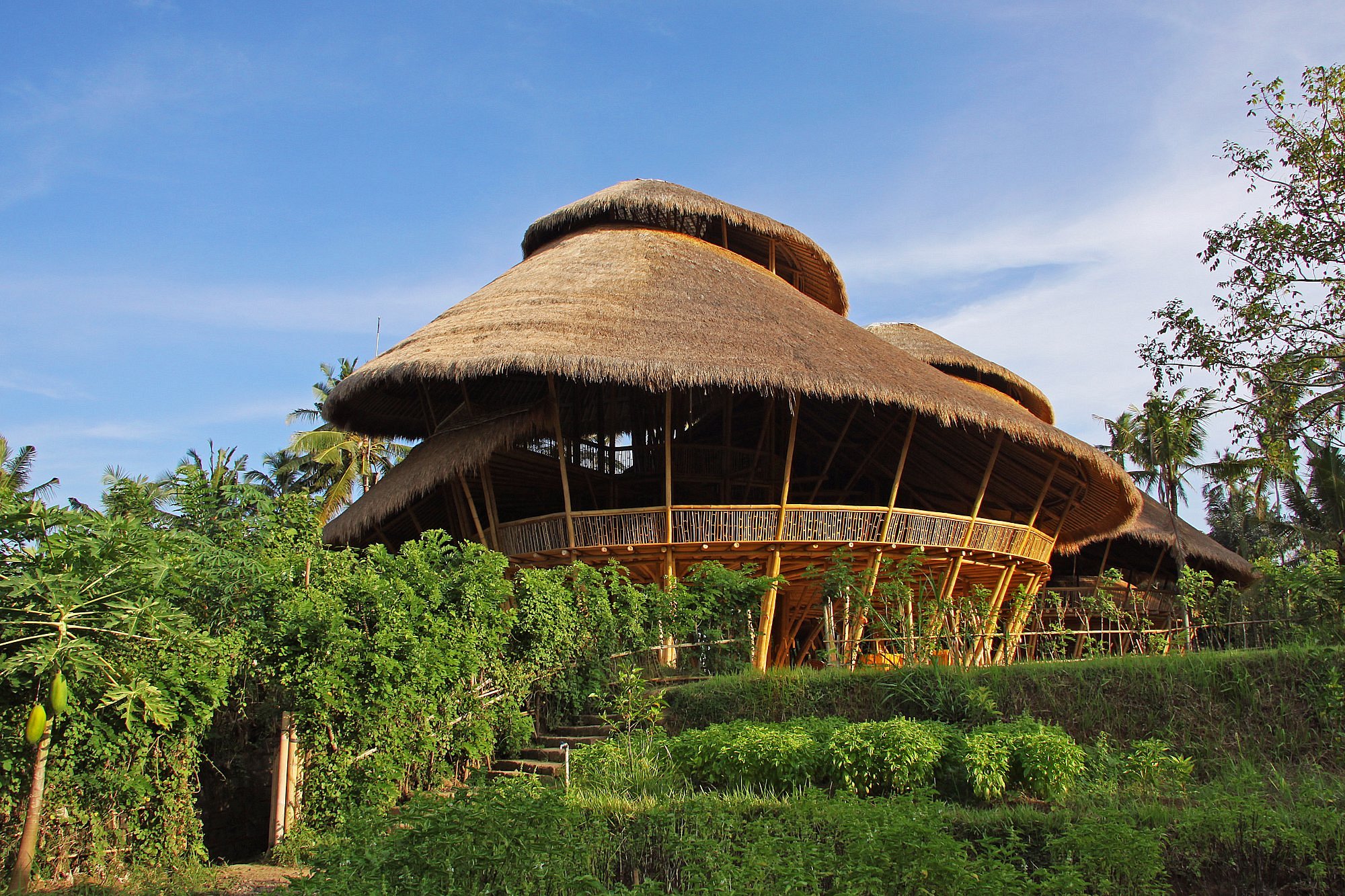
Another example is the use of green cement in the construction of the Green School in Bali, Indonesia. The school was built using bamboo, green cement, and other sustainable materials. The project won the Greenest School on Earth award in 2012 and serves as a model for sustainable construction practices.
Future of Green Cement
As the world continues to face the challenges of climate change, the need for sustainable development and eco-friendly practices has become increasingly important. One industry that has long been associated with high carbon emissions and negative environmental impacts is the construction industry. However, the emergence of green cement as a sustainable alternative to traditional Portland cement has revolutionized the industry and opened up new possibilities for sustainable construction practices.
Technological Advancements and Future Developments:
Technological advancements and future developments in green cement production are set to further enhance its properties and applications. Researchers and scientists are exploring new technologies and alternative materials, such as nanotechnology and waste materials, to improve the production and strength of green cement. As a result, green cement has become increasingly versatile and effective, with its high strength and long-lasting properties making it an ideal material for building structures of different types and sizes.
Role of Green Cement in Sustainable Construction Practices:
Green cement plays a crucial role in promoting sustainable construction practices by reducing carbon emissions and minimizing waste production. Its low carbon footprint and durability make it an excellent material for building structures that require high strength and long-lasting properties. Moreover, green cement is cost-effective in the long run, reducing maintenance costs and enhancing the lifespan of construction projects.
Potential Impact of Green Cement on the Environment and Economy:
The potential impact of green cement on the environment and economy is significant. The production of green cement results in a reduction of up to 80% in carbon emissions compared to traditional cement production. The use of green cement can also create new economic opportunities, such as the production of alternative materials for green cement and the promotion of sustainable construction practices.
The continued development and adoption of green cement in the construction industry will help pave the way towards a more sustainable and eco-friendly future. From residential to commercial and infrastructure projects, green cement is a versatile and effective material that can play a crucial role in reducing the environmental impact of the construction industry. Its implementation has already been demonstrated successfully in various case studies, such as the San Francisco-Oakland Bay Bridge and the Green School in Bali, Indonesia.
As we look towards the future, it is clear that green cement will continue to play an important role in sustainable construction practices. The construction industry has a significant impact on the environment and the economy, and the adoption of green cement is a step in the right direction towards a more sustainable future.
References:
“Green Cement“, BuildingGreen
“Why green concrete is becoming more popular“, The Guardian
United Nations Environment Programme, “Global Status Report for Buildings and Construction,” 2019.
Global Cement and Concrete Association, “2050 Climate Ambition,” 2019.
World Green Building Council, “Health, Wellbeing & Productivity in Offices: The Next Chapter for Green Building,” 2014.
“Green Cement – A Revolutionary Sustainable Alternative to Portland Cement,” Ecoefficiency Group.
“San Francisco-Oakland Bay Bridge Construction Uses Innovative Materials to Reduce Carbon Footprint,” United States Department of Transportation.
“Green School Bali Case Study,” World Green Building Council.
