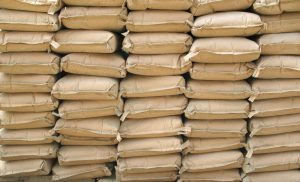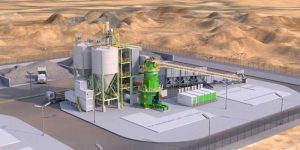
Green cement is a revolutionary building material that is rapidly gaining popularity in the construction industry. It is a more sustainable and eco-friendly alternative to traditional cement, which has been the industry standard for decades. In this article, we will discuss the importance of green cement and the adverse effects of traditional cement production on the environment.
Cement production is one of the major contributors to greenhouse gas emissions, with traditional cement production alone responsible for approximately 8% of global CO2 emissions. The manufacturing process of traditional cement involves heating limestone and other raw materials to high temperatures, which requires a significant amount of energy and releases carbon dioxide into the atmosphere. This process is both energy-intensive and polluting, making traditional cement production a major contributor to global warming.
Green cement, on the other hand, is produced using alternative materials that have a lower carbon footprint, such as fly ash, slag, or even recycled materials. Green cement also requires less energy for its production and can often be produced using renewable energy sources such as solar, wind, or hydroelectric power. This results in a significant reduction in carbon emissions and a more sustainable building material that is better for the environment.
Apart from being environmentally friendly, green cement also offers several other benefits. It has similar strength and durability to traditional cement, making it a viable alternative for construction projects. In fact, some studies have shown that structures built with green cement have superior long-term performance compared to structures built with traditional cement.
Green cement can also reduce the environmental impact of construction projects. As building materials are responsible for a significant portion of waste generated in the construction industry, using eco-friendly building materials can significantly reduce waste and increase sustainability. Green cement can also be used in the renovation of historic structures, reducing the impact of these projects on the environment.
California High-Speed Rail Project
The California High-Speed Rail Project is a high-profile transportation project that is intended to connect San Francisco to Los Angeles in less than three hours. The project is expected to reduce traffic congestion, reduce greenhouse gas emissions, and promote economic growth in the region. The construction of this project was also an opportunity to showcase the benefits of using green cement.
Green cement was used in the construction of several components of the California High-Speed Rail Project. For example, it was used in the production of concrete for the bridge foundations, concrete retaining walls, and tunnel liners. The green cement used in the project was produced using fly ash, a by-product of coal-fired power plants, which is typically considered waste. By using fly ash in the production of green cement, the project was able to divert a significant amount of waste material from landfills.
The benefits of using green cement in the California High-Speed Rail Project were significant. The production of green cement required significantly less energy compared to traditional cement, resulting in a reduction of greenhouse gas emissions. The use of green cement also resulted in a stronger and more durable product, which is important for infrastructure projects like the California High-Speed Rail. Additionally, the use of green cement in the project contributed to the reduction of waste and the promotion of sustainable construction practices.
The California High-Speed Rail Project is an excellent example of how green cement can be used in large-scale construction projects. The use of green cement in the project not only reduced the environmental impact of the construction but also resulted in a better-quality product. As more construction projects look for sustainable solutions, the use of green cement is likely to become more widespread.
The Hong Kong-Zhuhai-Macau Bridge
The Hong Kong-Zhuhai-Macau Bridge is one of the most significant infrastructure projects in the world. The 55-kilometer-long bridge connects Hong Kong, Zhuhai, and Macau, making it one of the longest bridges in the world. The construction of this bridge was a challenging task, but it was made possible through the use of innovative materials like green cement.
Green cement was used in the production of concrete in the bridge’s foundations and other critical structures. The use of green cement in the construction of the Hong Kong-Zhuhai-Macau Bridge offered several benefits. Firstly, it significantly reduced the environmental impact of the project. The production of traditional cement is known to release significant amounts of CO2, contributing to climate change. Green cement production produces significantly fewer carbon emissions and minimizes the use of natural resources.
Secondly, green cement enhanced the durability and strength of the bridge. Green cement is a highly reliable and durable building material. Its use in the bridge’s construction resulted in a sturdy structure capable of withstanding harsh weather conditions and constant wear and tear.
The bridge’s builders achieved significant results by using green cement. The environmental impact of the project was reduced, and the bridge’s longevity was improved. The use of eco-friendly building materials like green cement is critical for infrastructure projects like the Hong Kong-Zhuhai-Macau Bridge. As climate change becomes an increasing concern globally, infrastructure projects like this one are opportunities to showcase the benefits of sustainable construction practices.
The use of green cement in the construction of the Hong Kong-Zhuhai-Macau Bridge demonstrated the importance of eco-friendly building materials in large-scale infrastructure projects. Green cement contributed to the durability and strength of the bridge while minimizing its environmental impact. The Hong Kong-Zhuhai-Macau Bridge is an excellent example of how green cement can be used in infrastructure projects to achieve better results while promoting sustainable construction practices.
The Sydney Opera House
The Sydney Opera House is an iconic building that has been part of the Australian skyline for decades. Recently, the building underwent a major renovation that incorporated the use of green cement. The project aimed to reduce the building’s carbon footprint and promote sustainable construction practices while preserving the Opera House’s historic structure.
Green cement was used in the renovation of several components of the Sydney Opera House, including the floors and walls. The production of traditional cement is energy-intensive and releases significant amounts of CO2 into the atmosphere. By using green cement, the project was able to reduce its carbon footprint and minimize its environmental impact. The use of green cement also resulted in a more durable product, ensuring the Opera House will be able to withstand the test of time.
The renovation project of the Sydney Opera House was completed in several stages. The builders used a combination of traditional and eco-friendly materials to ensure the building’s structural integrity while reducing the environmental impact of the renovation. The use of green cement was an integral part of this process and contributed significantly to the success of the project.
Using green cement in historic structures like the Sydney Opera House offers several benefits. It provides a durable and reliable building material while minimizing the environmental impact of the renovation project. The use of green cement also demonstrates the importance of sustainable construction practices in preserving historic structures for future generations.
The renovation of the Sydney Opera House is an excellent example of how green cement can be used in historic structures to achieve better results while promoting sustainable construction practices. The use of green cement minimized the environmental impact of the project, resulted in a durable product, and preserved the Opera House’s historic structure. As the importance of eco-friendly building materials becomes increasingly evident, the use of green cement in large-scale renovation projects is likely to become more widespread.
The Cement Industry in India
The cement industry is one of the largest emitters of CO2 globally, accounting for around 7% of global emissions. India is one of the largest cement producers in the world, and as such, the industry’s transition to green cement is critical in reducing the country’s carbon footprint. The Indian cement industry is gradually adopting green cement, and the results are promising.
The Indian cement industry’s transition to green cement has not been easy, and it has faced several challenges in implementing this change. One of the main challenges is the cost of production of green cement, which is higher than traditional cement. However, the industry has been able to overcome this challenge by investing in research and development and adopting innovative manufacturing processes.
The use of green cement in the Indian cement industry has had a positive impact on the environment. Green cement uses recycled materials and alternative fuels, which results in lower emissions and reduced water consumption. The use of green cement also leads to a reduction in waste generation and promotes a circular economy. Additionally, green cement is known to have a longer life cycle and is more durable, resulting in fewer maintenance costs and less frequent replacements.
The adoption of green cement in the Indian cement industry is a significant step towards a sustainable future. The Indian government has set ambitious targets for reducing carbon emissions, and the transition to green cement is a crucial part of achieving these goals. The use of green cement in the Indian cement industry has created new opportunities for the growth of green businesses and the development of new technologies.
In conclusion, the Indian cement industry’s transition to green cement is an essential step towards reducing the country’s carbon footprint and promoting sustainable development. The challenges faced in implementing green cement have been overcome by the industry’s investments in research and development and innovative manufacturing processes. The benefits of using green cement, including lower emissions, reduced water consumption, and a circular economy, have made the transition worthwhile. The Indian cement industry’s adoption of green cement is an excellent example of how the industry can transition to sustainable practices while maintaining profitability and competitiveness.