The worldwide cement industry is at a crossroads because it generates an estimated 4 billion tonnes of material annually, powers the infrastructure that shapes our everyday lives, and accounts for a staggering 7% of global emissions. The good news is that the cement industry is realising its obligation and moving forward with courage by developing environmentally friendly cement and sustainable packaging options.
In response, the World Cement Association declared its intention to cut CO2 emissions by the cement sector by at least 25% by 2030. A plan for achieving net-zero emissions by 2050 has also been provided. The goal of this plan is to keep global warming at 1.5 degrees Celsius. The years 2020–2030 are designated as “the decade to make it happen.
With a capacity of about 545 million tonnes in FY 2020, India would be the second-largest cement producer in the world. The moment is right for the cement sector to accelerate its developments in order to become more environmentally friendly.
Why is Green Packaging Essential for a Sustainable Future?
Cement has traditionally been packaged in woven polypropylene tape cloth sacks that are sewed into the product. Although cement bags can be recycled, there should be additional packaging choices available for the sector as a whole. Since even a few grammes of weight reduction can significantly reduce the entire carbon footprint, there is a focus on developing new packaging that is biodegradable or lighter in weight.
Every year, the cement industry produces up to 100 million tonnes of waste, a substantial percentage of which comes from cement pallets and packaging. Additionally, because of how heavy and clumsy these conventional cement packing techniques are, they raise transportation costs and contribute to increased emissions.
Sustainable living requires eco-friendly packaging, which offers several advantages. It aids in lowering waste, protecting natural resources, and making financial savings. Costs associated with production, shipping, and waste management can be decreased by using eco-friendly packaging materials and techniques. Waste reduction can boost production and efficiency.
Customers are more likely to trust brands that utilise eco-friendly packaging because they have a positive brand image and follow sustainable business practises. Additionally, eco-friendly packaging aids businesses in adhering to environmental requirements.
Switching to Paper Sacks for Environmental Gains
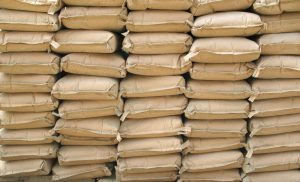
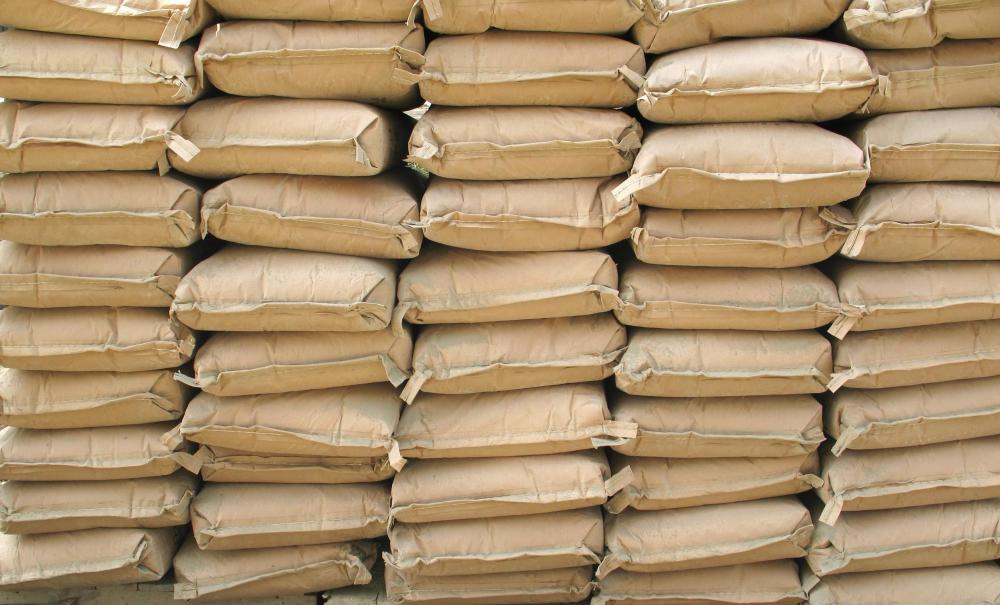
Paper sacks are increasingly being used as the packaging material of choice for cement because they offer numerous financial and environmental advantages. Paper sacks have reduced prices and expenses and a faster filling rate than stitched woven sacks without sacrificing protection or item waste. The paper material is also more environmentally friendly, which makes it a desirable choice for cement manufacturers seeking an eco-friendly alternative. Paper bags perform better than their alternatives at preserving cement, which means that less cement is lost or spilled between deposits. Paper bags have a 2.5 times lower carbon footprint than sewn-woven bags, in addition.
The Eco-Friendly Solution of D-Sack Cement Bags
The D-Sack is a breakthrough in packaging and waste reduction that was created by Lafarge, a French cement conglomerate, and BillerudKorsnäs, a Swedish packaging company. Upon use, D-Sack totally disintegrates in the cement mixer and addresses a number of issues:
- It gets rid of garbage from building sites.
- makes the workplace safer and cleaner
- the ability to bind atmospheric carbon
- eliminates the use of plastic materials.
Additionally, D-Sack improves builder ergonomics and lowers cement dust exposure on construction sites. D-Sack’s high climate performance was demonstrated by a life cycle evaluation carried out by IVL (Swedish Environmental Research Institute), which confirmed D-Sack as “a carbon sink” with favourable long-term outcomes.
Is the Cement Industry Doing Enough for Sustainability and Eco-Friendly Packaging?
Although the cement sector may have pioneered new sustainability practises, much work remains. Global testing has already begun on novel packaging techniques that use biodegradable materials like plant-based polymers to cut waste and the carbon footprint of packaged cement. IoT-enabled innovative packaging will relieve the burden on energy-intensive machinery. We can monitor the packaging lifespan of a product using RFID and QR codes. The cement sector needs to change its ways if the world is to meet its climate change targets. Individual companies have made some promising progress so far, but it’s now up to the industry as a whole to rise to the occasion.
Reference: